Commercial Refrigeration Repair
Commercial Refrigeration Repair Solutions for National and Regional Companies In Food Retail, Restaurant, Healthcare, and Pharmaceutical.

Search pages, insights, and customer stories.
COOLSYS BLOG
For facility managers and directors of facilities, commercial HVAC systems represent one of the largest capital investments across your building portfolio. These systems are critical to business continuity, occupant comfort, energy efficiency, and operational reliability.
Understanding how long commercial HVAC systems last is essential for:
While every facility is different, knowing the average life expectancy of commercial HVAC equipment helps facility managers make smarter, data-driven decisions.
Here are widely accepted industry averages for commercial HVAC life expectancy:
| Equipment Type | Average Lifespan |
|---|---|
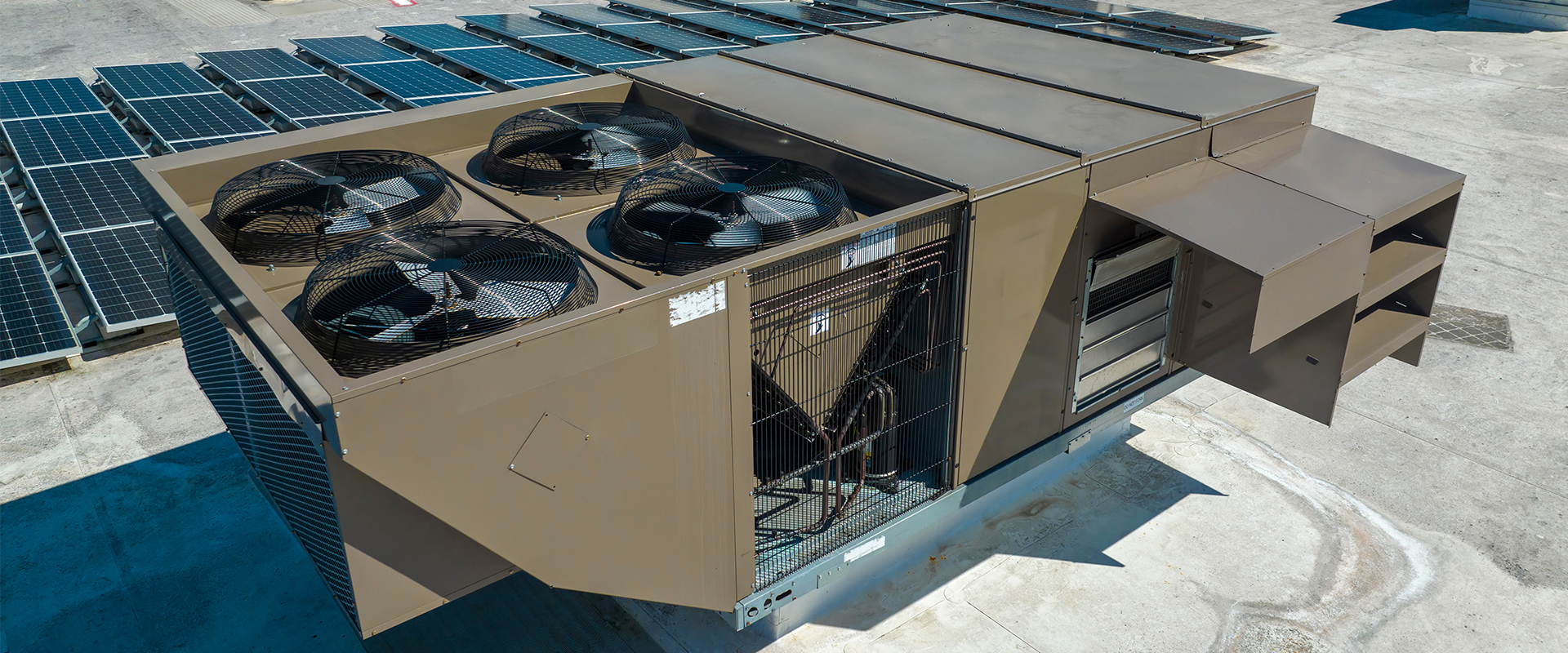
| Roof Top Units ( RTU) | 15 to 20 years |
| Mini-Split Systems | 10 to 15 years |
| Heat Pumps | 20 to 25 years |
| Chillers | 20 to 30 years |
| Boilers | 20 to 25 years |
| Air Handlers | 15 to 20 years |
| Thermostats & Controls | 8 to 10 years |
These ranges vary based on:
Maintenance practicesFacility managers should treat these as planning benchmarks, not fixed replacement timelines.
Get a professional HVAC asset lifecycle assessment to identify aging equipment, forecast replacement costs, and reduce unexpected failures.
Request an HVAC Lifecycle AssessmentIf utility costs increase despite stable usage, your system may be losing efficiency.
Learn about CoolSys Energy Assessment and how to save 25% or more on your energy bill.
Repeated service calls signal declining reliability and increased lifecycle costs.
Uneven cooling or heating often indicates aging equipment or failing components.
These symptoms may signal mechanical wear or failing components.
Unplanned downtime is one of the strongest indicators of aging equipment.
Consider replacing your system when:
Equipment is 15–20+ years oldProactive replacement often reduces total lifecycle cost compared to reactive replacement.
01. Equipment Design and Engineering
Larger, heavy-duty systems like chillers often last longer due to robust construction
Learn about Engineering & Design Solutions02. Installation Quality
Improper installation leads to:
Reduced EfficiencyProfessional commissioning extends HVAC system lifespan.
03. Proper System Sizing
Oversized or undersized systems both reduce equipment life. Correct sizing improves:
Efficiency04. Building Usage and Operating Hours
This is particularly critical for facilities that operate 24/7 , such as
Data centersExperience shorter HVAC lifespans due to constant usage.
05. Environmental Conditions
Climate impacts system lifespan:
Coastal CorrosionThese factors accelerate equipment wear.
06. Preventive Maintenance – This Is Arguably The Most Important Factor
Preventive maintenance significantly extends the life expectancy of commercial HVAC systems. Key activities include:
Coil CleaningFacility managers overseeing multiple buildings must manage:
HVAC asset lifecycle management helps:
Improve reliability, reduce costs, and plan your capital investments with expert HVAC asset lifecycle management.
Schedule Your HVAC Lifecycle AssessmentCoolSys supports facility managers across the full HVAC lifecycle:
With nationwide coverage and 2,500+ technicians, CoolSys helps facility managers maximize HVAC life expectancy and reduce lifecycle costs.
Commercial Refrigeration Repair Solutions for National and Regional Companies In Food Retail, Restaurant, Healthcare, and Pharmaceutical.
Commercial HVAC for many companies is one of the most important assets to their company whether it be pharmaceuticals or food and beverage. Any down time on their HVAC equipment can completely ruin a product.
Best Commercial Refrigeration : CoolSys highly-trained technicians who ensure their business is operating efficiently.
Rising energy costs and underperforming HVAC-R systems are driving unnecessary operating expenses across your facilities.
Identify savings opportunities and improve performance with a targeted systems assessment.
Contact CoolSys Now