Use energy more efficiently
Put recovered heat to work for building heating, domestic hot water, process heat, or cooling applications.

Search pages, insights, and customer stories.
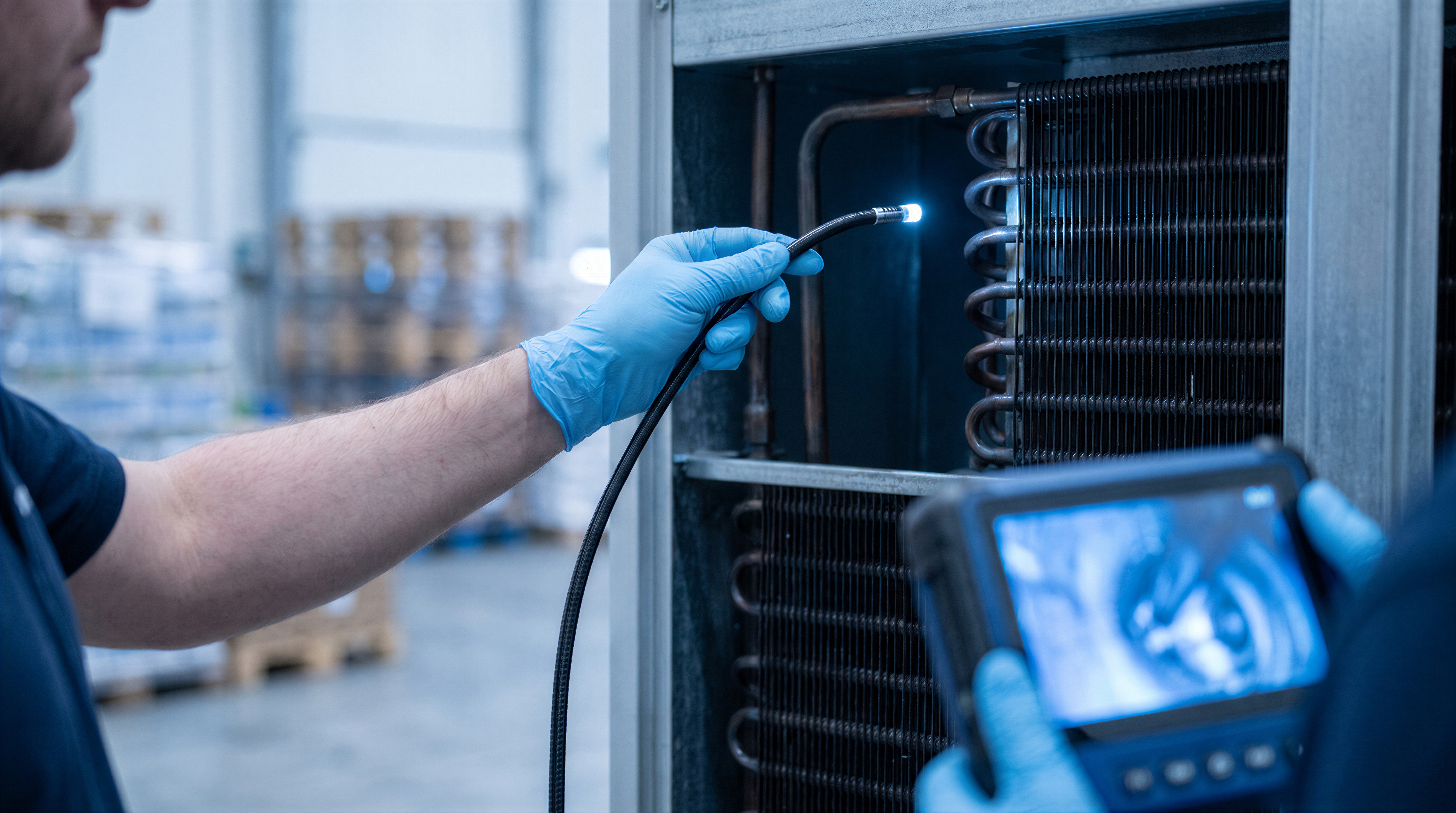
COGENERATION (CHP)
CoolSys assesses, engineers, installs, and maintains CHP systems that generate electricity and useful thermal energy on site—planned around facility loads, operations, and resilience priorities.
SERVICE OVERVIEW
CHP generates electricity and captures useful heat from the same fuel source. CoolSys evaluates facility loads, utility conditions, and site requirements to develop a project-specific approach.
Put recovered heat to work for building heating, domestic hot water, process heat, or cooling applications.
Coordinate on-site generation with critical electrical and thermal loads.
Address controls, maintenance, monitoring, and operating readiness from the start.
CAPABILITIES
CoolSys connects technical feasibility, system design, installation, controls, monitoring, and ongoing service around the facility outcome.
Evaluate electrical and thermal loads, utility conditions, infrastructure, and project economics.
Coordinate generation, heat recovery, balance-of-plant systems, controls, and facility tie-ins.
Protect availability with planned maintenance, condition insight, and accountable response.
Use operating data, controls, and lifecycle planning to improve performance over time.
ACROSS THE LIFECYCLE
Engage the services that fit the project stage, from early analysis through installation and long-term operation.
Frame facility priorities, evaluate CHP potential, and define a practical path forward.
Develop coordinated generation, heat-recovery, controls, and balance-of-plant solutions.
Install approved systems and coordinate utility, site, and operating requirements.
Maintain equipment, monitor condition, and support operating readiness.
WHY COOLSYS
CoolSys combines engineering, thermal expertise, field execution, controls, and lifecycle support around on-site energy systems.
Ground recommendations in facility loads, operating requirements, and site constraints.
Coordinate generation, recovered heat, HVAC, refrigeration, and process-cooling needs.
Connect national resources and standards to accountable local teams.
Carry operating knowledge into maintenance, monitoring, and optimization.
WHERE IT FITS
CHP can support facilities with substantial, predictable electrical and thermal demands. Final recommendations depend on site-specific engineering and operating conditions.
Balance critical operations with significant heating, cooling, and electrical demands.
Evaluate on-site generation and thermal integration for uptime-focused facilities.
Assess production sites with steady electrical and process-heat requirements.
Consider CHP for campuses with multiple buildings and ongoing energy needs.
CASE STUDIES
Explore related projects and results from CoolSys teams.
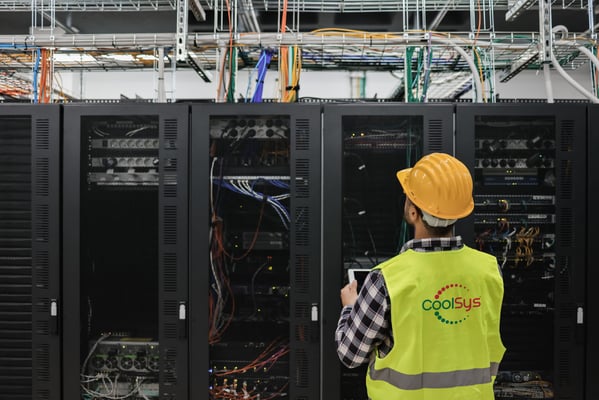
CASE STUDY
Integrated CHP commissioning, maintenance, and monitoring helped a data center improve resilience, reduce emissions, and manage energy costs.
READ CASE STUDY →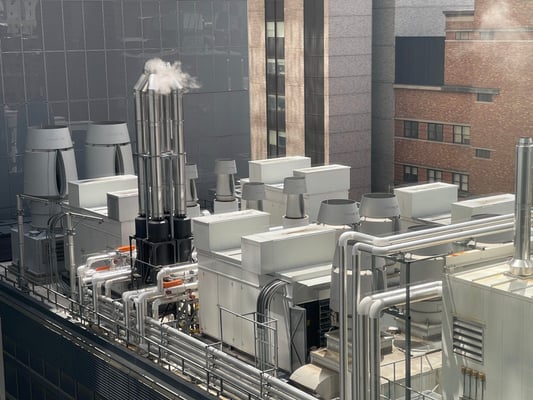
CASE STUDY
CoolSys restored CHP performance at a New York City cancer center through maintenance, plant balancing, and continuous remote monitoring.
READ CASE STUDY →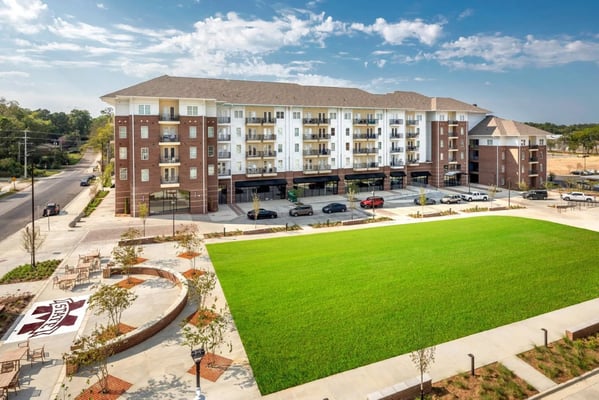
CASE STUDY
CHP commissioning, maintenance, and monitoring strengthened energy resilience for a university village with critical heating and hot-water needs.
READ CASE STUDY →No case studies match your search. Try another term or select all case studies.
A cogeneration system, also called combined heat and power (CHP), produces electricity and usefulcaptures usable heat from the same fuel source. The recovered heat can serves building heating, domestic hot water or industrial processes. A site assessment compares commercial and industrial electrical and thermal loads with CHP system requirements.
Where project conditions support it, recovered heat from a CHP system may support cooling through absorption chilling. CoolSys evaluates heating and cooling profiles, system configuration, and facility interfaces to determine whether that integration fits the project.
Facilities with sustained electrical demand and useful heating or process-heat loads are typical candidates for a CHP feasibility study. Data Centers & Digital Infrastructure, Industrial & Manufacturing, Healthcare, Commercial Real Estate, Logistics & Cold Chain, and Food & Beverage are potential markets, along with institutional campuses. Suitability depends on site conditions, operating hours, energy costs, and utility requirements.
A feasibility study reviews facility energy loads, site conditions and existing infrastructure, then evaluates potential system configurations and project economics. CoolSys considers commercial building requirements and industrial process heat, cooling and refrigeration demands, along with utility integration, incentives and project requirements. Deliverables depend on project scope and available site information.
CoolSys provides CHP maintenance and 24/7 remote monitoring, including preventive service, equipment assessment, and troubleshooting support. The monitoring approach, service coverage, and response commitments are established for each project.
Yes. CoolSys self-performs CHP work with its own technicians and crews. National coordination with local self-performing teams supports direct accountability, consistent standards, and documentation across assessment, installation, commissioning, and ongoing service.
BECAUSE CRITICAL CAN’T COMPROMISE.
Start with facility loads, operating priorities, utility conditions, and the systems that must keep performing.