Establish a practical baseline
Connect utility data, equipment condition, controls, and operating schedules.

Search pages, insights, and customer stories.

ENERGY OPTIMIZATION & RESILIENCE
CoolSys assesses refrigeration, HVAC, lighting, controls, and power systems to prioritize practical efficiency improvements, demand management, and resilience planning.
SERVICE OVERVIEW
CoolSys combines facility assessments, engineering recommendations, and implementation planning around energy use, operating cost, reliability, and capital priorities.
Connect utility data, equipment condition, controls, and operating schedules.
Compare cost, operating impact, potential payback, and site constraints.
Plan energy improvements alongside demand management and on-site power needs.
CAPABILITIES
Recommendations are grounded in facility data and the equipment driving loads across commercial and industrial operations.
Review utility data, operating schedules, HVAC, refrigeration, lighting, and controls.
Improve setpoints, sequences, motors, drives, lighting, heat recovery, and equipment performance.
Evaluate load profiles, utility programs, rebates, and project sequencing.
Connect efficiency planning with CHP and other distributed energy resources.
ACROSS THE LIFECYCLE
CoolSys supports energy programs from early analysis through installation, maintenance, and ongoing improvement.
Frame portfolio priorities and develop a practical path forward.
Develop engineered energy upgrades and resilience solutions.
Install approved equipment and facility-system improvements.
Improve existing HVAC, refrigeration, controls, and power systems.
Maintain equipment and address performance drift over time.
WHY COOLSYS
Energy use is shaped by equipment, controls, operating practices, and power supply. CoolSys connects those systems to practical facility work.
Apply licensed MEP, refrigeration, and fire protection engineering to facility decisions.
Account for on-site power, CHP, HVAC, refrigeration, and process-cooling loads.
Evaluate equipment and improvement options across brands and systems.
Support multi-site programs with accountable local technicians and crews.
WHERE IT FITS
Project scope and expected results depend on facility conditions, operating practices, and agreed measurement methods.
Connect cooling performance, energy use, and power resilience.
Assess process cooling, refrigeration, HVAC, and facility energy priorities.
Consider cold-storage loads, refrigeration, and continuity needs.
Plan improvements around refrigeration, HVAC, and store operations.
CASE STUDIES
Explore related projects and results from CoolSys teams.
CASE STUDY
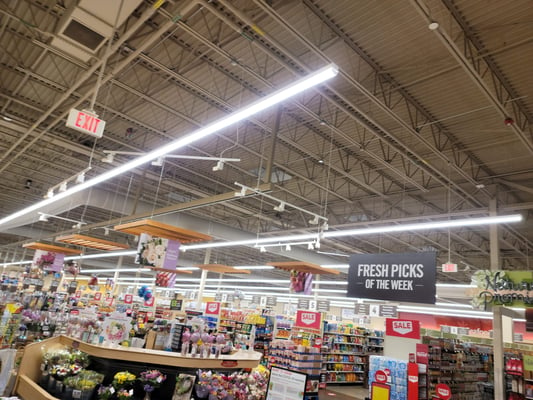
An accelerated LED retrofit across 121 stores in six months delivered $5.5 million in annual operating savings for a national food retailer.
READ CASE STUDY →
CASE STUDY
Integrated CHP commissioning, maintenance, and monitoring helped a data center improve resilience, reduce emissions, and manage energy costs.
READ CASE STUDY →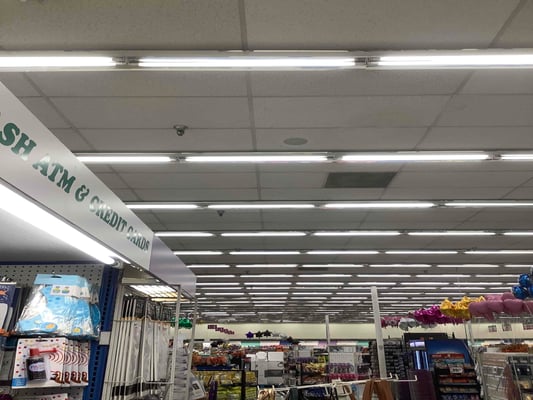
CASE STUDY
An LED lighting retrofit across 274 discount stores in four states was completed in 100 days, with a projected 14.5-month payback.
READ CASE STUDY →No case studies match your search. Try another term or select all case studies.
An assessment reviews available utility data, facility operating conditions and systems such as HVAC, refrigeration, lighting and controls. For industrial sites, the review may include refrigeration and process-cooling equipment serving cold storage, food processing or manufacturing. CoolSys identifies potential energy measures and organizes recommendations by priority. Scope depends on facility complexity and available information.
CoolSys reviews facility load profiles and operating schedules to identify demand-management opportunities. Recommendations address controls, equipment operation or project sequencing based on site conditions, including commercial building loads and industrial production or refrigeration demands. CoolSys also researches utility incentives and rebates when relevant; eligibility and availability depend on the utility program and project requirements.
Yes. CoolSys evaluates energy consumption alongside facility power needs and includes CHP and other distributed energy resources in resilience planning. The analysis considers how HVAC, refrigeration and industrial process-cooling loads relate to operating priorities. Final recommendations reflect site-specific engineering, utility conditions and the facility’s continuity requirements.
No. An assessment identifies and prioritizes potential measures, but actual results depend on facility conditions, project scope, equipment performance and operating practices. CoolSys does not guarantee a general savings result. Any project-specific estimate should state its scope, assumptions and measurement approach.
CoolSys supports next steps through engineering and design, project planning, construction and installation, and optimization or maintenance work. CoolSys teams lead the work, with scope defined for each approved project. The parties agree on measurement and verification methods and deliverables for the engagement.
BECAUSE CRITICAL CAN’T COMPROMISE.
Start with energy use, equipment condition, and operating priorities. CoolSys will define practical next steps for optimization, demand management, and resilience.